
🛡️ Improving anonymity: linking VPNs in different countries
Introduction
VPNs and the Tor network are common choices for staying anonymous online. This article goes a step further and explores how to avoid tracking by both Western intelligence agencies and authoritarian regimes.
The starting point is somewhat provocative.
The idea is to use conflicts between countries to protect personal privacy.
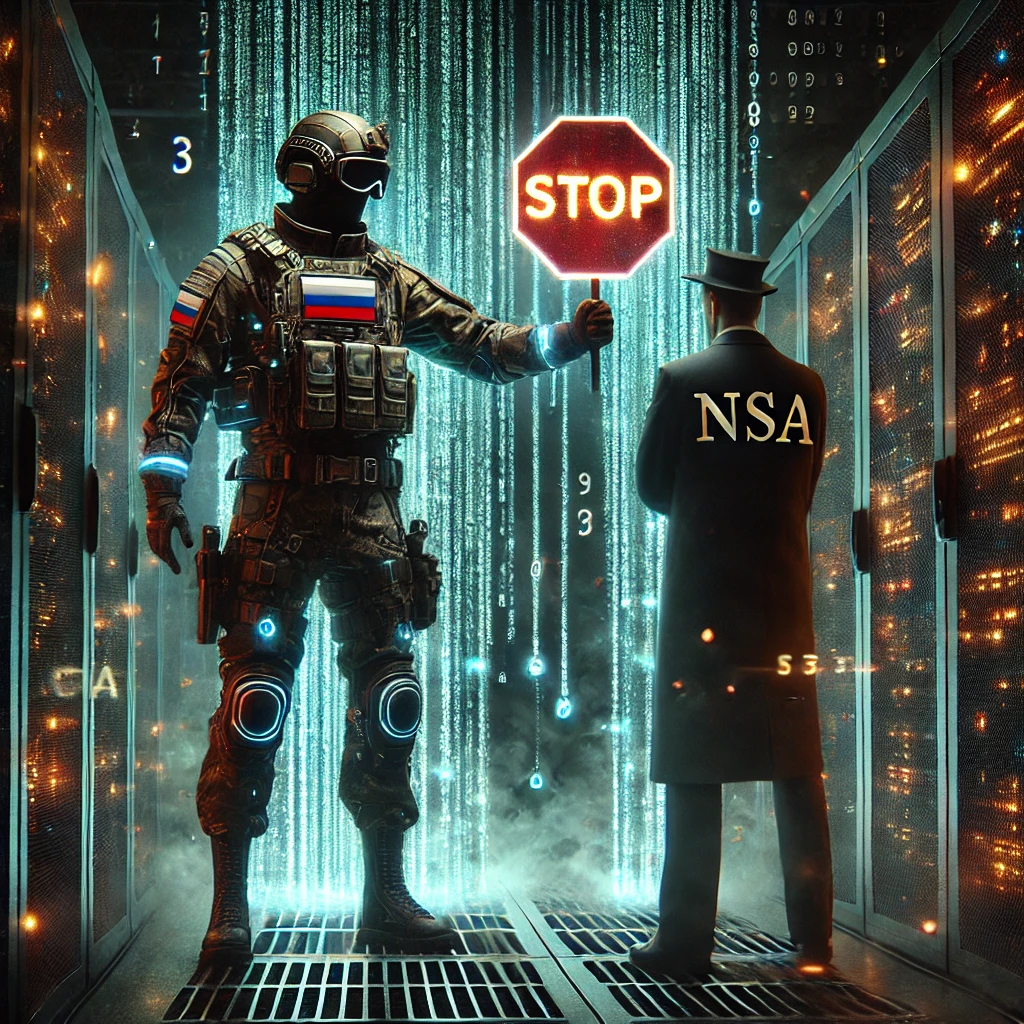
By chaining VPNs in mutually opposed countries such as Russia, China and the United States, the connection can be configured so that no single government or intelligence alliance can trace the entire communication path.
This article covers:
- VPN chains that take international relations into account: concepts and advantages
- Providers to consider: example VPN services
- Using Kali Linux: step-by-step setup instructions
🧠 The idea of using distrust between countries
Using a VPN means trusting the operator not to keep logs, leak information or comply with demands from authorities to disclose data. Here, we examine whether the VPN setup itself can protect privacy by using the fact that major powers distrust one another.
✳️ The core idea
- Link VPNs in countries or regions that are hostile to one another or do not cooperate. For example: Russia → United States → EU
- No single country can compel every VPN provider to hand over logs.
- Even if one node is compromised, it reveals only part of the overall route.
🌐 An example VPN setup
A setup linking three VPNs might look like this:
| Order | Country | Provider | Characteristics |
|---|---|---|---|
| 1 | Russia | HideMy.name | Based in Russia; relatively little known |
| 2 | United States | Private Internet Access (PIA) | Based in the United States; accepts cryptocurrency |
| 3 | Iceland | Mullvad | EU-based anonymous VPN with a no-logs policy |
No particular provider is required. What matters is diversifying the jurisdictions governing the VPNs.
💡 Pay with cryptocurrency or gift cards and avoid linking your VPN accounts to your real identity.
⚙️ Linking three VPNs on Kali Linux
🧱 Required environment and files
- Kali Linux or a Debian-based distribution
- VPN credentials and configuration files (OpenVPN:
.ovpn, WireGuard:.conf) openvpn,wireguard-tools— install whichever tool you need, or both.
🔧 Step-by-step setup
Step 1: Install the VPN clients
sudo apt update
sudo apt install openvpn wireguard resolvconf
Step 2: Create a directory for the configuration files
mkdir ~/vpn-chain && cd ~/vpn-chainPlace the following configuration files in the directory you created:
russia.ovpnusa.ovpnmullvad.ovpn
Step 3: Start the first VPN — Russia
sudo openvpn --config russia.ovpnWait for the first VPN to connect. This VPN becomes the outermost tunnel in the setup.
Step 4: Start the US VPN in a second terminal
Set up the second VPN tunnel inside the first VPN connection.
sudo openvpn --config usa.ovpnStep 5: Start Mullvad or WireGuard in a third terminal
If the third VPN also uses OpenVPN, run:
sudo openvpn --config mullvad.ovpnIf you are using WireGuard, run:
sudo wg-quick up mullvadTraffic in this setup follows this route:
Kali → Russian VPN → US VPN → Mullvad (Iceland) → Internet
🕵️♂️ Checking each connection stage
After connecting each VPN, check your IP address with:
curl ifconfig.meYou can also check it with:
curl ipinfo.ioCompare the results at each stage to verify that the IP address changes whenever another VPN is connected.
🧪 Additional security settings
- For the final browsing step, use Whonix Gateway or Tails running in a virtual machine.
- WebRTC, JavaScript, canvas fingerprinting — disable all three.
- To prevent DNS leaks, configure DNS routing manually or use DNS-over-HTTPS (DoH).
iftop,tcpdump,wiresharkcan be used to inspect traffic and check for anomalies.
🔐 Can complete anonymity be guaranteed?
This does not guarantee 100% anonymity. However, it can make tracking much harder.
- Each VPN provider can see only one segment of the overall route.
- Conflicts between countries make legal cooperation less likely.
- For a single agency or organization, tracing the entire route is practically impossible or prohibitively expensive.
🧩 Closing thoughts
By taking advantage of the difficulties of international cooperation, you can build an environment with stronger anonymity protection without relying entirely on the darknet.
This setup is not necessary for everyone. However, journalists, whistleblowers, hacktivists and people who place particular importance on privacy may find it worth examining and experimenting with.
🎯 Privacy is not just about having something to hide. It is also about having information worth protecting.
💬 Scripts and automation
If you would like to see this setup scripted or automated with systemd and bash, leave a comment or send a message.
I can cover the relevant details in a follow-up.